St Margarets flat removals tips and local parking tricks

Moving out of a flat in St Margarets can feel deceptively simple right up until you meet the reality of narrow stairwells, awkward corners, timed access, and a van that has nowhere sensible to stop. That is exactly why St Margarets flat removals tips and local parking tricks matter. A well-planned move here is not just about lifting boxes; it is about timing, access, parking, and avoiding those small delays that somehow turn into a whole afternoon.
In this guide, you will find practical advice for planning a flat move in St Margarets, choosing the right removals approach, dealing with parking pressure, and keeping the day calm enough that you can actually think straight. We will cover what to do before moving day, how to load efficiently, how to handle local parking without drama, and the common mistakes that catch people out. To be fair, most of them are avoidable with a bit of prep.
Why St Margarets flat removals tips and local parking tricks Matters
Flat moves are different from house moves. In a flat, the challenge is often not the volume of belongings but the environment around them. You may have stairs, tight landings, shared entrances, controlled parking, limited lift access, neighbours coming and going, and a move-out window that feels far too short. In St Margarets, those issues are common enough that a bit of planning pays off quickly.
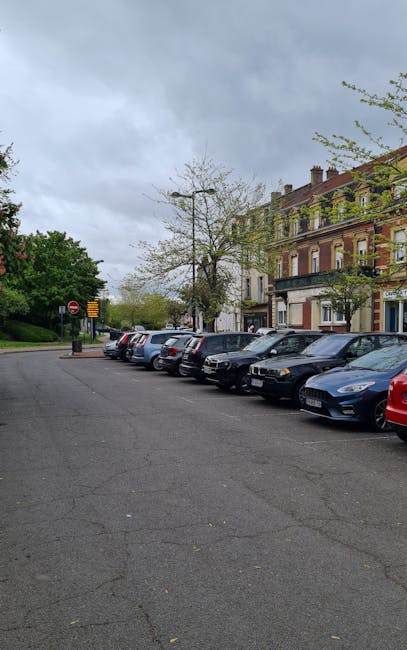
The parking part matters just as much. If the van ends up circling while somebody tries to guess where to stop, your move slows down before the first sofa is even touched. A bad parking decision can add stress, create extra carrying distance, and make the whole job harder than it needs to be. That is especially frustrating when the weather turns, or when you are trying to get everything done before evening traffic starts building.
There is also a confidence factor. When you know where the van can sit, how long the carry is, and which items need extra care, you stop reacting and start managing the day. That shift makes a bigger difference than people expect. You feel it around 8:30 in the morning when the first box goes out and the move suddenly feels under control.
How St Margarets flat removals tips and local parking tricks Works
The process works best when you treat the move as a sequence of small decisions rather than one huge event. First, you assess the flat: floor level, stair width, lift access, entrance restrictions, and how easy it is to carry furniture out. Then you assess the road: whether a van can pause safely, whether you will need short-stay loading time, and whether parking might be tight near your building.
From there, you decide the right moving method. For some flats, a man with van style move is enough. For larger flats, awkward staircases, or multiple heavy items, a fuller removal services approach may make more sense. The main point is not the label; it is matching the vehicle and crew to the building and the parking conditions.
The parking trick side is mostly about reducing friction. That means identifying the nearest sensible stopping point, avoiding blind corners, leaving enough room for pedestrians, and planning loading so the van is not idling awkwardly while someone runs upstairs for a forgotten lamp. Little things, yes. But little things add up fast.
One useful mindset is to think in handovers: flat to hallway, hallway to van, van to destination. If any handover is clumsy, the whole move slows down. If each one is tidy, the move can feel surprisingly smooth. That is the real game here.
Key Benefits and Practical Advantages
Good preparation brings several very real advantages, and not just in theory.
- Less carrying time: the closer the van can get, the less walking you and the movers have to do.
- Lower risk of damage: fewer awkward turns, fewer scrapes on bannisters, and fewer rushed lifts.
- Less neighbour friction: a calm, efficient move is much less likely to annoy people in the building.
- Better use of paid time: when movers are not waiting around for parking, the work feels more efficient.
- Reduced stress: simple, obvious parking and access plans stop the morning becoming chaotic.
There is also a financial upside. A move that runs smoothly is less likely to overrun. It may also reduce the need for repeated trips if you pack in a way that suits the building layout. If you are comparing services, the team you choose matters too. Some people prefer a broad choice of removal company options, while others want a more flexible local setup that can handle a small flat without bringing in unnecessary vehicle size.
Expert summary: the best St Margarets flat moves usually combine three things: sensible packing, realistic parking, and the right size vehicle. Miss one, and the day gets harder. Get all three right, and the whole thing feels oddly manageable.
Who This Is For and When It Makes Sense
This advice is useful if you are moving from a studio, one-bed, split-level flat, maisonette, or upper-floor apartment in St Margarets. It is especially relevant if you have limited access, no private driveway, or a road where stopping is tricky even for a short time. If you live near busier stretches, school runs, or narrow residential streets, parking planning becomes even more important.
It also makes sense if you are moving on a tight schedule. Maybe you have to hand keys back the same day. Maybe you are coordinating lift bookings or building access windows. Maybe you just do not want the day to spiral. In those situations, careful parking and loading planning are not optional extras. They are the backbone of the move.
First-time movers tend to benefit a lot from this guidance because they often underestimate how much time access issues can eat. More experienced movers also use these tricks, though. They just sound less surprised when the van ends up a few doors away.
Step-by-Step Guidance
-
Map out the exit route from the flat.
Look at the stairs, lift, front door, pavement, and the place where the van is most likely to stop. You want to know whether bulky items will need turns, whether doors swing awkwardly, and whether you will need someone to hold a door open during loading.
-
Check the road outside before moving day.
Do a quick walk-by at the same time of day you plan to move, if possible. Streets can look fine at midday and become awkward by school drop-off time or evening parking rush. A five-minute scout can save a lot of guesswork.
-
Choose parking that prioritises loading, not perfection.
People often waste time looking for the absolute closest space. A slightly further spot that is easy to stop in, easy to reverse from, and easy to load from is usually better than a cramped space that causes faffing. Nobody needs heroic parking, just practical parking.
-
Pack by carry order, not just by room.
Put the easiest items nearest the door and keep heavy, fragile, and awkward pieces separate. If your chest of drawers is buried behind six soft bags, the loading order becomes messy. If items are staged logically, the move flows better.
-
Reserve time for parking and access delays.
Even well-planned moves hit small delays. A neighbour may park awkwardly. A lift may be occupied. A delivery truck may block the road for three minutes. Build a little breathing room into the schedule so none of this rattles you.
-
Load the van with the end destination in mind.
Heavy items should be secure and placed so they will not shift. Group belongings in a way that makes unloading easier. Your future self, standing in the new place and trying to find the kettle, will thank you.
If you are booking help, it is worth looking at home moves support as a broader starting point and then narrowing it to the right setup for your flat. Some people also choose movers who are comfortable with tight access and short loading windows, which can be a real advantage in residential streets.
Expert Tips for Better Results
1) Put your heaviest items on the easiest path
A heavy sofa or mattress should not have to zig-zag through a cramped hallway if you can help it. Before the team arrives, move lighter items out of the way so the heavy stuff has a clean run. It sounds basic, but it is one of those details people forget while juggling ten other things.
2) Use the building layout to your advantage
In many flats, one route is noticeably less awkward than the others. Maybe one stairwell is wider. Maybe one entrance gives a better line to the road. Maybe there is a back access point that avoids a tight turn. Use the easiest route, even if it is not the one you first imagined.
3) Tell movers about parking quirks before they arrive
If there is a gate code, a loading restriction, a busy school nearby, or a spot that disappears at 8:15 sharp, say so in advance. No one enjoys arriving on site and discovering they need to improvise under pressure. That is how small jobs become big headaches.
4) Keep a short-load box near the door
Set aside essentials you can unload quickly: keys, charger, medication, a kettle, tea, toilet roll, snacks, and a change of clothes. These are not glamorous items, but on moving day they matter. There is something deeply reassuring about knowing the first-night box is where it should be.
5) Use parking time like a clock, not a suggestion
Once the van is in position, get the loading started. Do not let that moment drift while people double-check a label or wonder where the remote control went. A flat move is won in the first 20 minutes, honestly. Maybe that sounds dramatic, but it is true more often than not.
Common Mistakes to Avoid
Some mistakes show up again and again in flat removals. The good news is they are all avoidable if you know what to look for.
- Assuming parking will be fine: it might be, but do not build the whole move on hope.
- Not measuring large furniture: a sofa that fits in the old flat may still be awkward on the stairs.
- Leaving packing until the last night: that is how labels vanish and boxes become mystery boxes.
- Ignoring lift timings: if a lift is shared, you need a plan that respects other people using it.
- Blocking hallways: especially in shared buildings, this can create frustration very quickly.
- Forgetting to protect walls and corners: one scrape with a bed frame can make an otherwise neat move feel messy.
Another very common issue is overfilling bags with books or kitchen items. A bag that looks manageable in the bedroom can feel absurd on the stairs. Everyone has done it once. Once is enough, usually.
Tools, Resources and Recommendations
You do not need a giant toolkit to move well, but a few sensible items make life much easier.
- Sturdy labels and marker pens: make it obvious what goes where.
- Furniture blankets or padding: useful for protecting wooden pieces and painted edges.
- Strong tape and scissors: never as glamorous as you hope, always necessary.
- Reusable bags or crates: handy for quick-access items and soft furnishings.
- Door wedges: useful in some buildings to prevent constant door juggling during loading.
- Phone notes or a simple checklist: low-tech, but very effective.
For anyone wanting extra support, services such as packing and unpacking services can remove a huge chunk of pressure. If you are dealing with larger furniture, removal van options are worth considering, while bigger or more awkward moves may be better suited to removal truck hire. The right choice depends on stair access, parking, and how much you are actually moving.
For comparison shopping, many people start with removals near me searches and then narrow down by service style, availability, and experience with local flat moves. That is a sensible approach, provided you ask the right questions rather than just chasing the cheapest number.
Law, Compliance, Standards, or Best Practice
For a flat move in St Margarets, you should be thinking in terms of UK parking rules, building rules, and standard moving-day safety practice. That does not mean you need to become a traffic expert overnight. It does mean you should avoid blocking driveways, obscuring sightlines, or stopping somewhere that could create risk for pedestrians or other road users.
If your building has a lift booking policy, move-out time restrictions, or communal hallway rules, follow them carefully. In shared buildings, courtesy is not just politeness; it is part of keeping the move lawful and manageable. If you live in a managed block, it is usually wise to check access arrangements in advance and let neighbours know about the move if appropriate.
Health and safety also matter. Heavy lifting should be done carefully, with proper handling and sensible team coordination. If a mover is carrying a wardrobe down stairs, the load should be controlled and the route kept clear. A safe move is almost always a faster move. That sounds backwards, but it really is the case.
If you want to understand how a company handles safety, insurance, and working practices, it can help to review pages like health and safety policy and insurance and safety. For pricing and booking expectations, pricing and quotes is a practical place to start, and payment clarity is always easier when you have checked payment and security in advance.
Options, Methods, or Comparison Table
Not every flat move needs the same setup. Here is a simple comparison to help you decide what fits best.
| Option | Best for | Strengths | Watch-outs |
|---|---|---|---|
| DIY with a small vehicle | Very small moves, light furniture, short distances | Flexible, can be budget-friendly | More trips, more lifting, parking stress can be high |
| Man and van | Studio or one-bed flat, mixed boxes and furniture | Good balance of help and flexibility | Still depends on access and parking being workable |
| Full removals team | Heavier loads, awkward stairs, limited time | Less physical strain, more efficient loading | Usually more planning needed, and cost can be higher |
| Specialist packing support | Busy households, fragile items, time-poor movers | Less stress, better protection for breakables | Works best when planned early rather than last minute |
For many St Margarets flats, the sweet spot is somewhere between a man-and-van setup and a fuller team. If your access is awkward but your furniture load is modest, that middle ground can be ideal. If the flat is top floor, stairs are tight, and parking is competitive, the more experienced option usually wins out. Not fancy, just practical.
Case Study or Real-World Example
Picture a typical move from a second-floor flat near a residential street in St Margarets. The belongings are not excessive: a bed, a small sofa, a desk, several boxes of books, kitchen items, and two plants that the owner insists are not fragile. The issue is access. The stairwell turns sharply halfway down, and roadside parking is limited.
The move goes well because the plan is simple. The van arrives early enough to secure a sensible stopping point. The heaviest furniture is moved first while the corridor is clear. Boxes are staged by the door, not scattered around the flat. Someone stays downstairs to keep an eye on the van and the path from pavement to loading point. The whole thing still takes effort, of course, but it never tips into chaos.
Now compare that with a less organised version. The van arrives late, the parking space is too tight, boxes are still being taped while the crew waits, and the mattress is discovered only after the wardrobe is half out of the bedroom. Same flat. Same street. Different result. The difference is planning, not luck.
Practical Checklist
Use this before moving day, and you will feel the difference.
- Measure large furniture and check stair turns.
- Confirm lift access or any building booking rules.
- Identify a sensible loading point outside the flat.
- Check where stopping is safest and least disruptive.
- Pack essentials separately for the first night.
- Label boxes with room names and priority items.
- Keep hallways and entrances clear.
- Protect fragile items with proper padding.
- Tell movers about any parking or access quirks in advance.
- Leave buffer time for delays, even if you do not need it.
If you are moving out of a larger property or coordinating multiple rooms, you may also want to look at house removals and house movers for more structured support. For business relocations, the website also has commercial moves and office removals, though that is a different kind of headache altogether.
Conclusion
St Margarets flat removals are much easier when you treat parking and access as part of the move, not an afterthought. That means planning where the van will stop, how the furniture will leave the flat, and which items need a smooth first-night landing. The best moves are rarely the flashiest. They are the ones where nobody is rushing, nobody is guessing, and the whole thing just gets done.
So if you are preparing a flat move in St Margarets, keep it simple, keep it realistic, and do the parking thinking early. It is a small effort with a big payoff, and you will feel that payoff when the last box comes down without drama. That quiet moment at the end? Worth it.
Get a free quote today and see how much you can save.
Frequently Asked Questions
What is the best way to plan a flat removal in St Margarets?
Start with access and parking. Check the stairs, lift, hallway width, and the most sensible place for the van to stop. Then pack by loading order, not just by room. That simple bit of planning usually saves the most time.
Do I need to worry about parking for a small flat move?
Yes, even for a small flat. A van that cannot stop safely or close enough to the entrance can slow the move down more than you would expect. Short, practical parking planning is one of the easiest ways to reduce stress.
How early should I book removals for a St Margarets flat?
As early as you reasonably can, especially if your move date is near the end of the month or on a weekend. Popular times fill up quickly, and access problems are easier to solve when there is time to think things through.
Is a man and van enough for a one-bed flat?
Often, yes. A one-bed flat with modest furniture and decent access can work very well with a man-and-van style move. If the furniture is bulky, the stairs are tight, or there is a lot of packing, a larger setup may be better.
What should I tell the removals team before moving day?
Tell them about floor level, lift access, parking restrictions, narrow staircases, gate codes, and any heavy or awkward furniture. The more they know, the better they can plan, and the less improvising there will be on the day.
How do I avoid blocking neighbours or causing problems in a shared building?
Keep entrances clear, use the shortest sensible route, and avoid leaving boxes in communal spaces. If your building has specific rules, follow them. A polite heads-up to neighbours can also help, especially if the move will be noisy.
What if there is no parking right outside the flat?
That happens a lot. The goal is not perfect parking; it is workable parking. Choose the safest nearby stopping point with the shortest practical carry distance. It may mean a bit more walking, but the move can still run smoothly.
Should I pack everything before the movers arrive?
Ideally, yes. Loose packing on the day creates delays and makes the loading process messy. If you are short on time, at least have the majority of boxes sealed and labelled, with a clear staging area near the door.
What are the biggest mistakes people make with flat removals?
The biggest ones are underestimating parking, overpacking boxes, leaving fragile items unprotected, and assuming the building layout will be straightforward. Flats often look easier than they are. Truth be told, they rarely are.
How can I make the move less stressful on the day?
Use a checklist, keep essentials separate, and give yourself extra time. Try not to leave final decisions until the van is already outside. Once the move starts, keep the process calm and steady. It is boring advice, but it works.
Are there any special safety considerations for flat removals?
Yes. Staircases, lift use, doorways, and carrying heavy items all create risk if rushed. Good footwear, clear routes, and sensible lifting technique all help. If something looks too awkward, pause and reset rather than forcing it.
Can I combine packing help with removals?
Absolutely. Many people do. Combining packing and removal support is often the cleanest option if you are busy, moving solo, or dealing with fragile items. It reduces the number of things you have to manage at once, which is no bad thing.